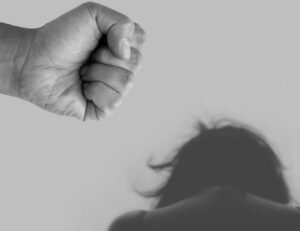
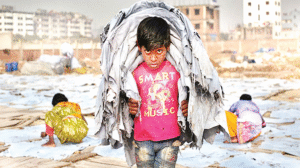
Unfortunately, there is a kind of suffering that is not easily recognizable — the kind that hiding behind doors, in silent homes, in individuals who are saying “I’m fine” while feeling anything but is the worst. To this day, the silence of violence and harassment is still deafening for millions of Bangladeshi women and children. These inhumane acts have become so commonplace that they are sometimes regarded as part of life itself. The tales are known but the terror is not; the injuries are visible but the assurance is gone. The whole society is affected by violence against women and children, which is not only a women’s issue or a family problem. It is one of the factors that determines our national identity for the future. When people are scared, the whole lot of community loses its shining quality.
When Home Isn’t Safe
It is hard to accept that in a nation that are characterized by hospitality and being close-knit, a lot of the women feel the least safe in their own houses. The statistics from the Bangladesh Bureau of Statistics indicate that over 70 percent of married women have experienced some type of physical or mental abuse at least once. Such figures should, at the very least, be a wake-up call to every one of us. Each single contra account has lives in the background — a mother sobbing silently hiding her tears from her kids, a wife who is mum because there is no other place for her to go, and a girl who grows up learning that hurt is just another form of love. The repercussions of the issue are not confined with females only. The young ones who see the fights between their parents are left with unhealed wounds. They will acquire the habit of fearing loud sounds, of getting scared with angry people, of regarding control as tenderness. This fear will accompany them till they become adults, and their characters will get influenced according to the fear. When a mother suffers, her child suffers too. The nomad of trauma continues until a person with both bravery and support comes and breaks the cycle.
The Street That Doesn’t Feel Free
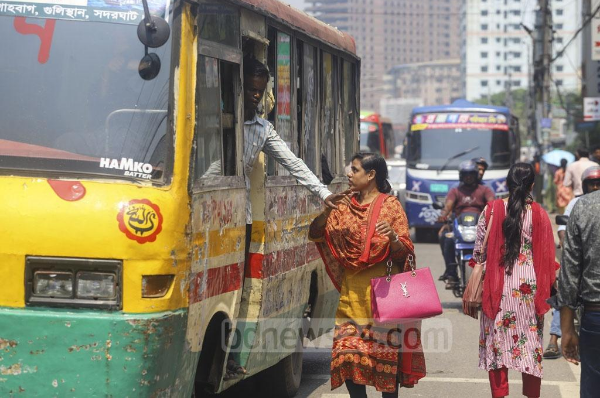
Go outside, and you will witness the fear of a different sort. Women are walking quickly, looking down, and tightly holding their phones, simply getting home safely. The street in Bangladesh is like a public place where everyone cannot claim their right. It is more of a possession of some than others. Incidents of abuse on buses, markets, and social media have become so prevalent that many people consider them as part of everyday life. But this is not the case. They represent a subtle form of violence that gradually takes away one’s self-esteem and freedom. A research conducted by ActionAid indicates that public harassment of some sort is faced by eighty-four percent of women in cities. Among those who experienced it, some stopped going to school. Others quit their job or sacrificed their ambition as they could no longer endure the struggle for feeling safe. Still society raises the same old questions — What was she wearing? Why was she out so late? The fact is, this is not about the clothing. It is about respect, power, and the way we let people think that they can take away others’ safety and not be punished for it.
When Safety Becomes a Privilege
Bangladesh is still a country where safety is often seen as a privilege even when the world is constantly lauding progress. Women are the ones who endure the most in such a situation as they have to daily silently negotiate between freedom and fear; even if it be just choosing a seat on a bus, staying late at work or walking home after sunset. Children’s safety is oftentimes a matter of luck rather than a right to be claimed.
UNICEF reports that almost 50% of children in Bangladesh undergo physical punishment at home or school. This statistics is very shocking considering the extent of the violence and that it is regarded as “discipline”. Kids that are nurtured in fear find out very soon that pain can be a constant and silence can be a way of living. They are taught the incorrect lesson — that power resides with those who inflict pain, not with those who soothe.
Violence, whether it is in the form of domestic abuse or in the streets, has a way of infiltrating, just like smoke — it is invisible but very suffocating. It alters how people reason, how they express their love, and even how they aspire.
The Power of Awareness and Education
The first step in the process of change is education, which means not only in educational institutions but also the informal talk. When the youth are made aware of the real meanings of consent, respect, and equality, their character formation will be different. They will be able to see and look upon others as equals rather than as people to be controlled or to be feared.
Gender-based violence or harassment are topics that many schools in Bangladesh still shy away from discussing. But turning a blind eye to these matters does not mean they will vanish — rather it will give them a chance to develop even more. Thus, teaching kids the basic concepts like empathy, boundaries, and respect should be given equal importance as teaching them math or science.
As a matter of fact, BRAC, along with Plan International Bangladesh, has been undertaking measures to break this silence by rolling out programs that impart life skills, self-confidence, and gender sensitivity. In a way, these tiny efforts have already made a huge difference in the lives of thousands, which in turn goes on to show that education is not only a means of passing the test, but creating a society that respects and values safety and dignity for all.
Women Paving the Path
Every hardship brings along the stories of power and strength. In Bangladesh, the women are resisting in a variety of ways that are seen as either silent or loud. The changes are made through lawyers providing pro bono legal services, journalists bringing the injustice to light; village chiefs standing behind the victims, and young girls launching social media campaigns.
One of the examples is the women’s network that helps each other to become economically independent and financially strong. Another example is hospitals’ crisis centers where the victims of violence are treated and supported in all aspects – medical, legal, and psychological, under one roof. These not only represent the services but also the hope. The bravery of every single individual is a reminder that silence is no more a winner.
My View on What We Can Do
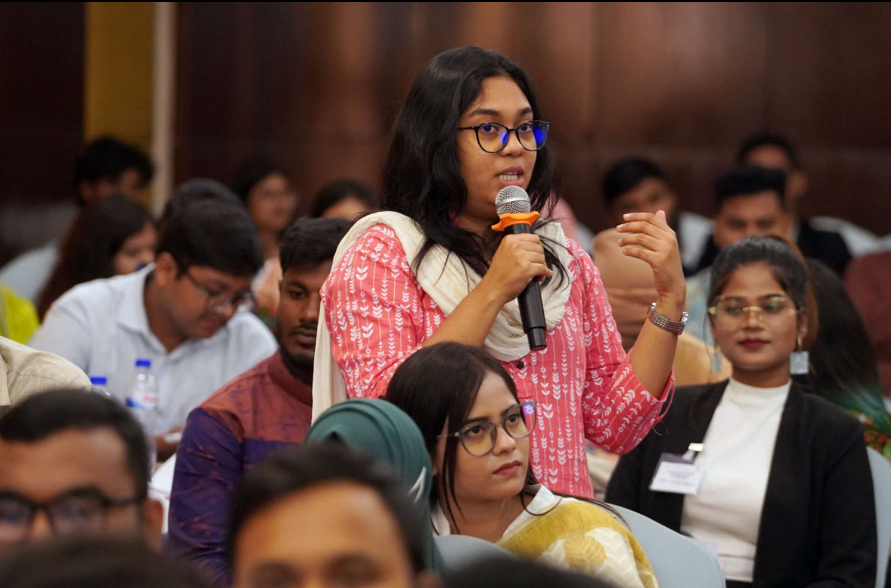
Solving violence isn’t just about punishing wrongdoers — it’s about changing mindsets. Every time we challenge a harmful joke, support a survivor, or teach a child that kindness is strength, we are building a safer Bangladesh.
Men and boys need to be part of this change too. Violence isn’t a “women’s problem”; it’s a human problem. When men learn to see strength in empathy rather than dominance, equality stops being a dream and becomes a habit.
We must also stop normalizing phrases like “boys will be boys” or “it’s just how things are.” They only excuse behavior that should never be excused. Accountability must start at home — in how parents raise their children, how schools handle complaints, and how communities respond when someone speaks up.
A Future Worth Fighting For
Bangladesh is a land of bravery — where women are the ones who after losing everything, start anew, and where children are the ones who in spite of suffering, keep on dreaming, and where the people are the ones who keep their faith unbreakable. However, real development is not only about the economy growing or new projects being introduced; it has to do with the security of every woman and child feeling that they can live, learn, and love freely.
We have to stop telling girls how to “stay safe” and instead, make the society safe. Safety should not be a fear lesson but the freedom promise.
If we can raise empathy like we raise ambition, the next generation will get not only a more powerful country but also a more gentle one as an inheritance. And perhaps one day, the terms “violence” and “fear” will sound like ancient tales — not part of our daily life anymore.
The reason is that each time we select compassion instead of cruelty, awareness instead of silence, and action instead of apathy, we move one more step towards the realization of a Bangladesh where no woman or child will ever have to live in fear again.
28 May 2025
14 Jaishtha 1432
Written By: Proggya Roy